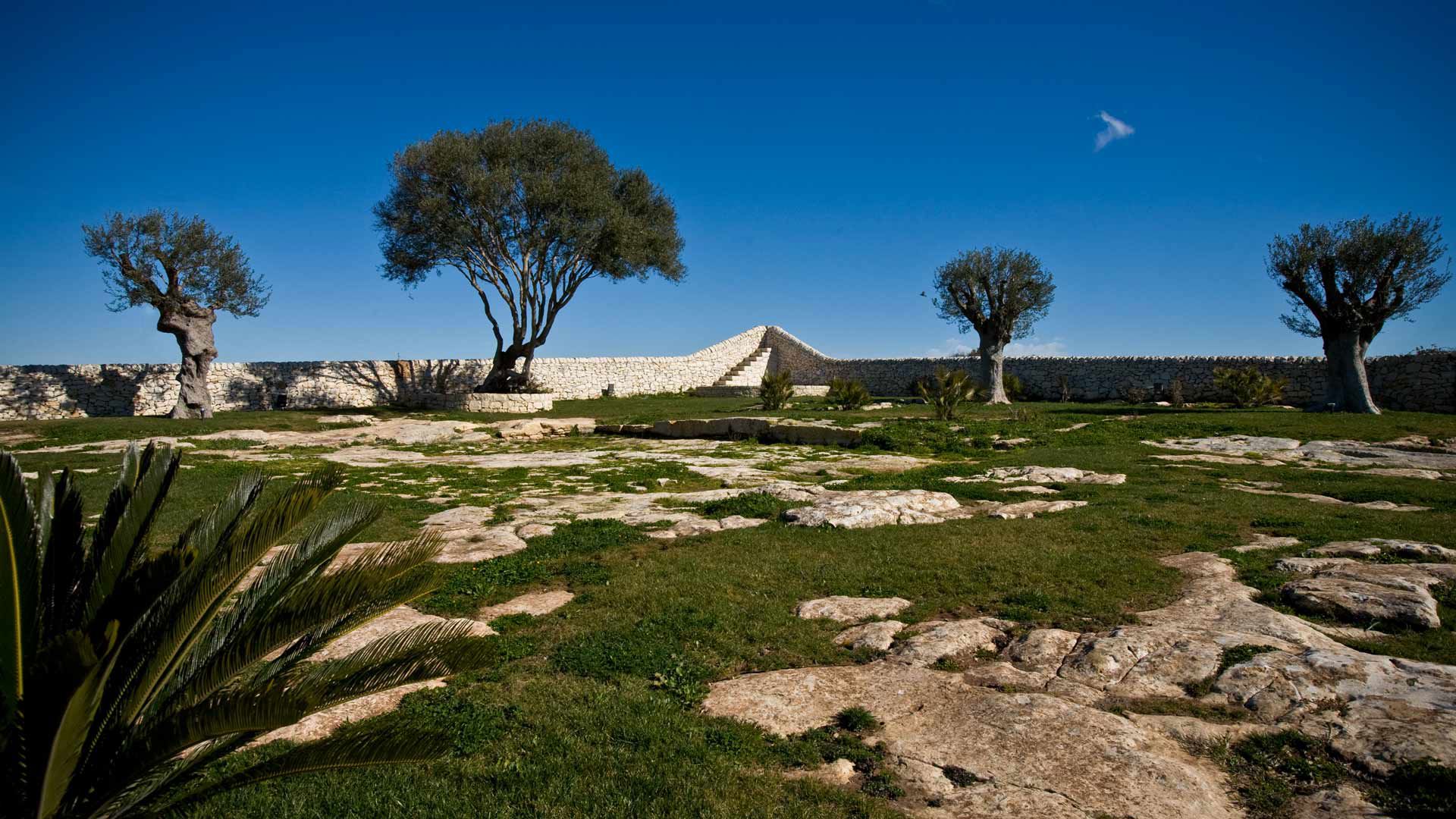
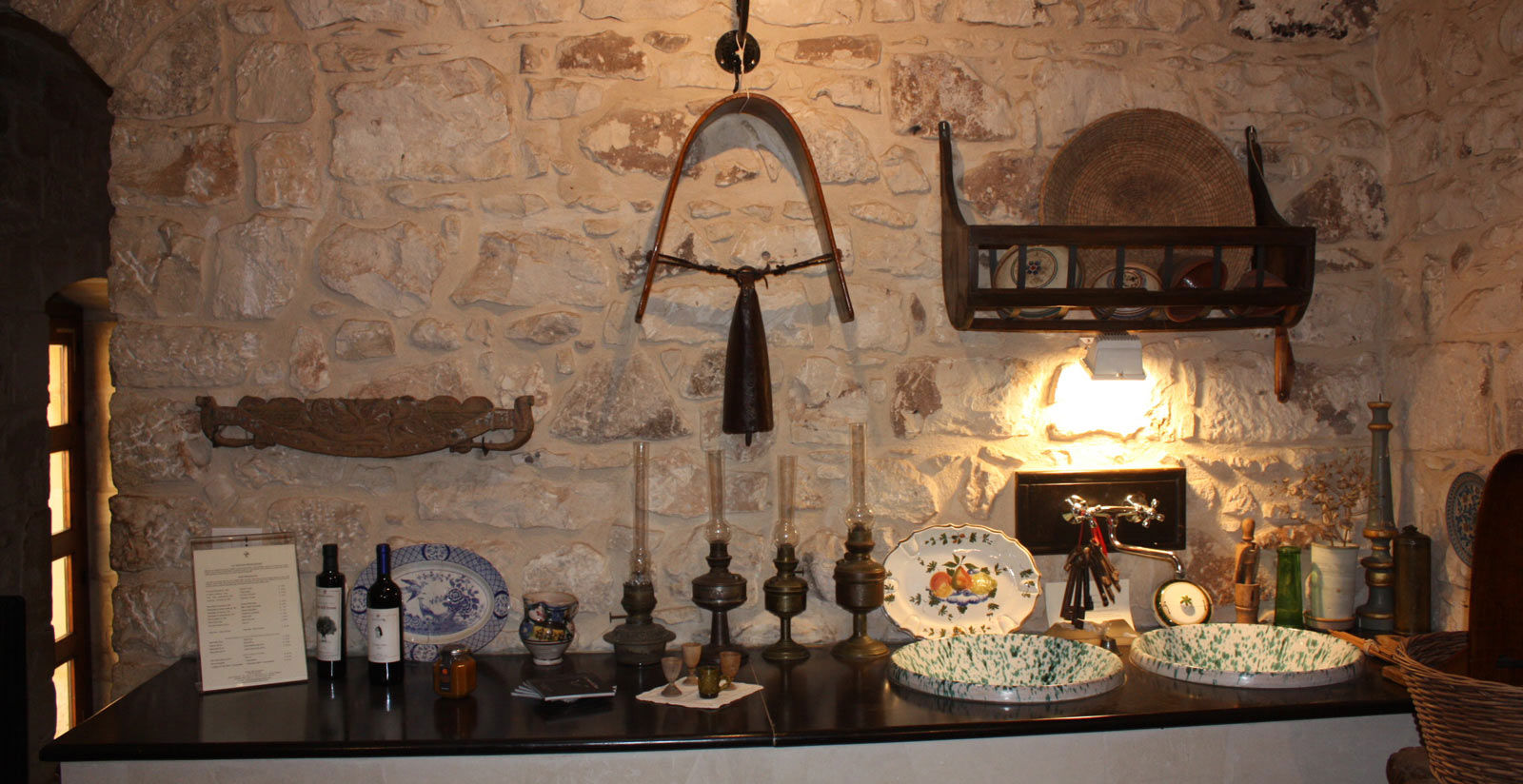
On the Hyblean Mountains, among rows of carob trees and white stone walls, rises Eremo della Giubiliana. From here, the gaze embraces the Mediterranean and runs far, reaching Malta and the African coast, across a horizon that never ceases to astonish.
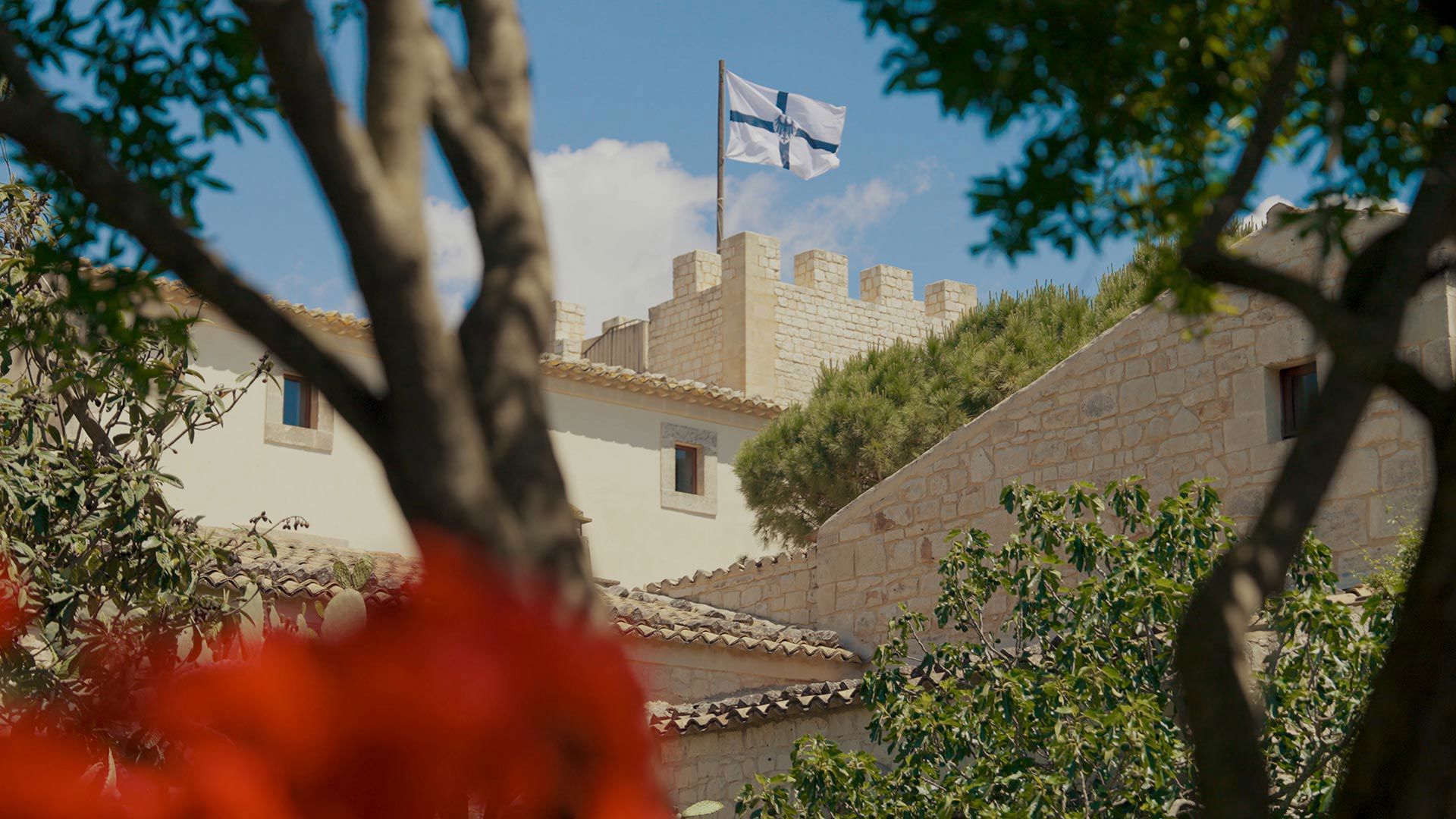
Its roots reach back to the Middle Ages, when the complex was founded as a hermitage and fortified baglio within the fief of Renna. For centuries it shielded the countryside from Barbary incursions and safeguarded the agricultural life of the Hyblean Mountains. The northern tower, recently restored, still bears the stone coat of arms of the Teutonic Order — a testament to its ties with Frederick II and to the knights’ presence in Sicily, later followed, in the sixteenth century, by the Knights of St. John, who made use of the Eremo before settling in Malta.
In the eighteenth century, the Eremo became the property of the Nifosì family, landowning nobility from Ragusa, who turned it into a fortified residence. Today, through the passion of Vincenza Jolanda Nifosì, those same walls welcome travelers from every corner of the world, transforming the ancient dwelling into an elegant five-star resort near Ragusa Ibla.

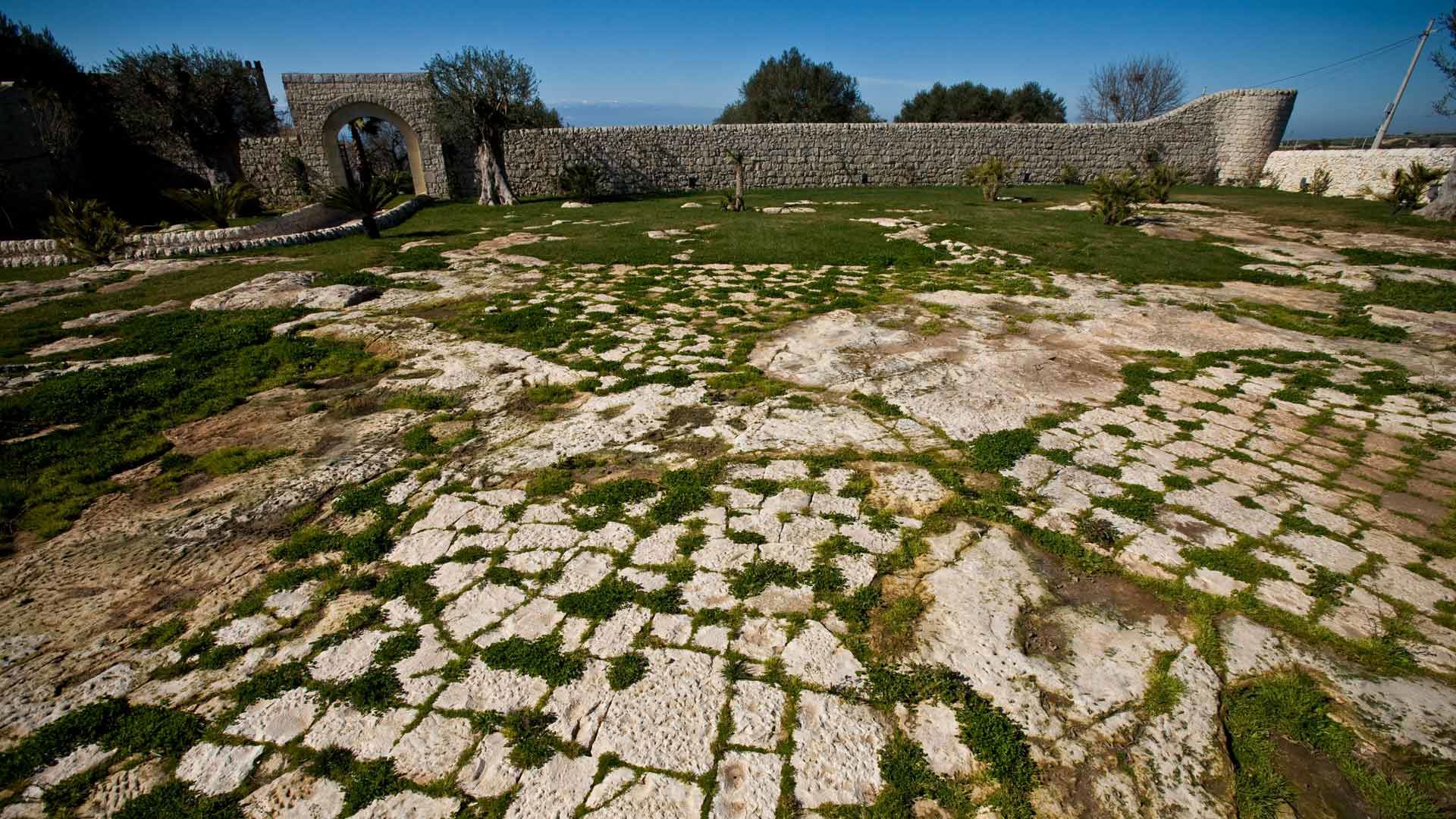
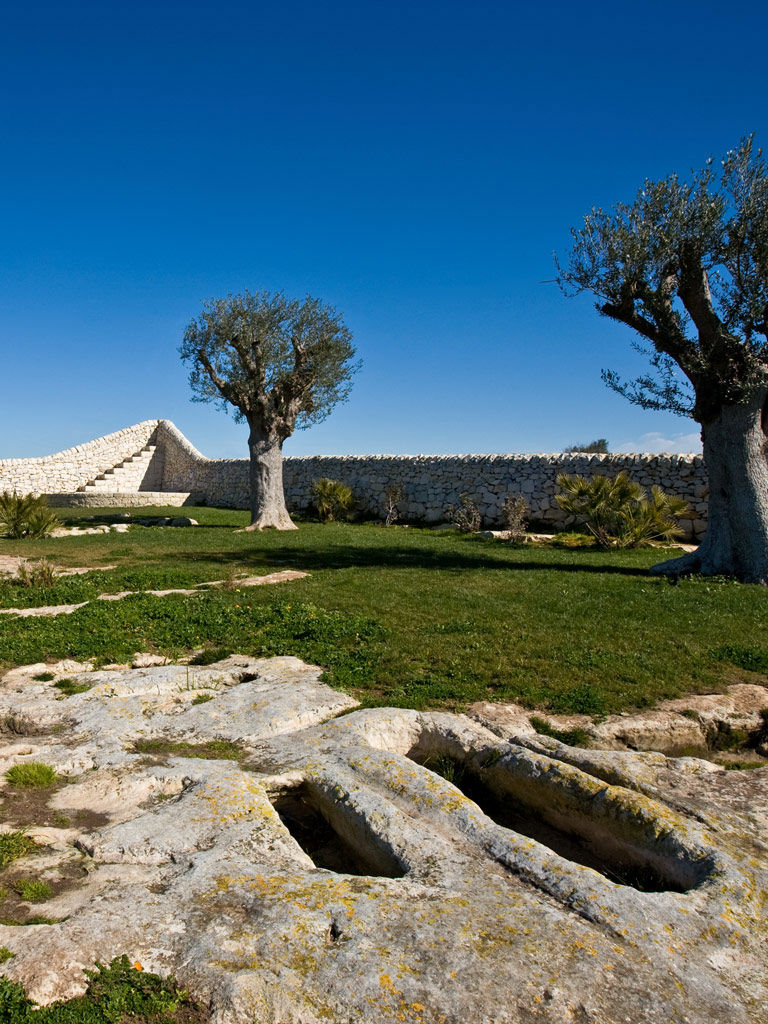
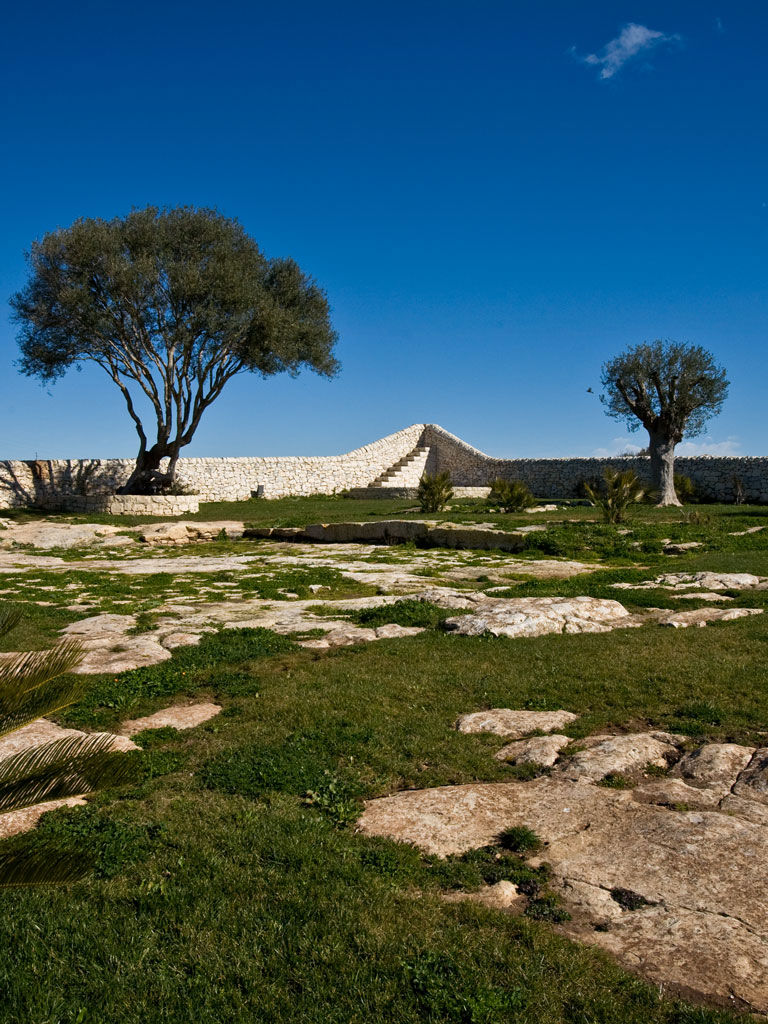
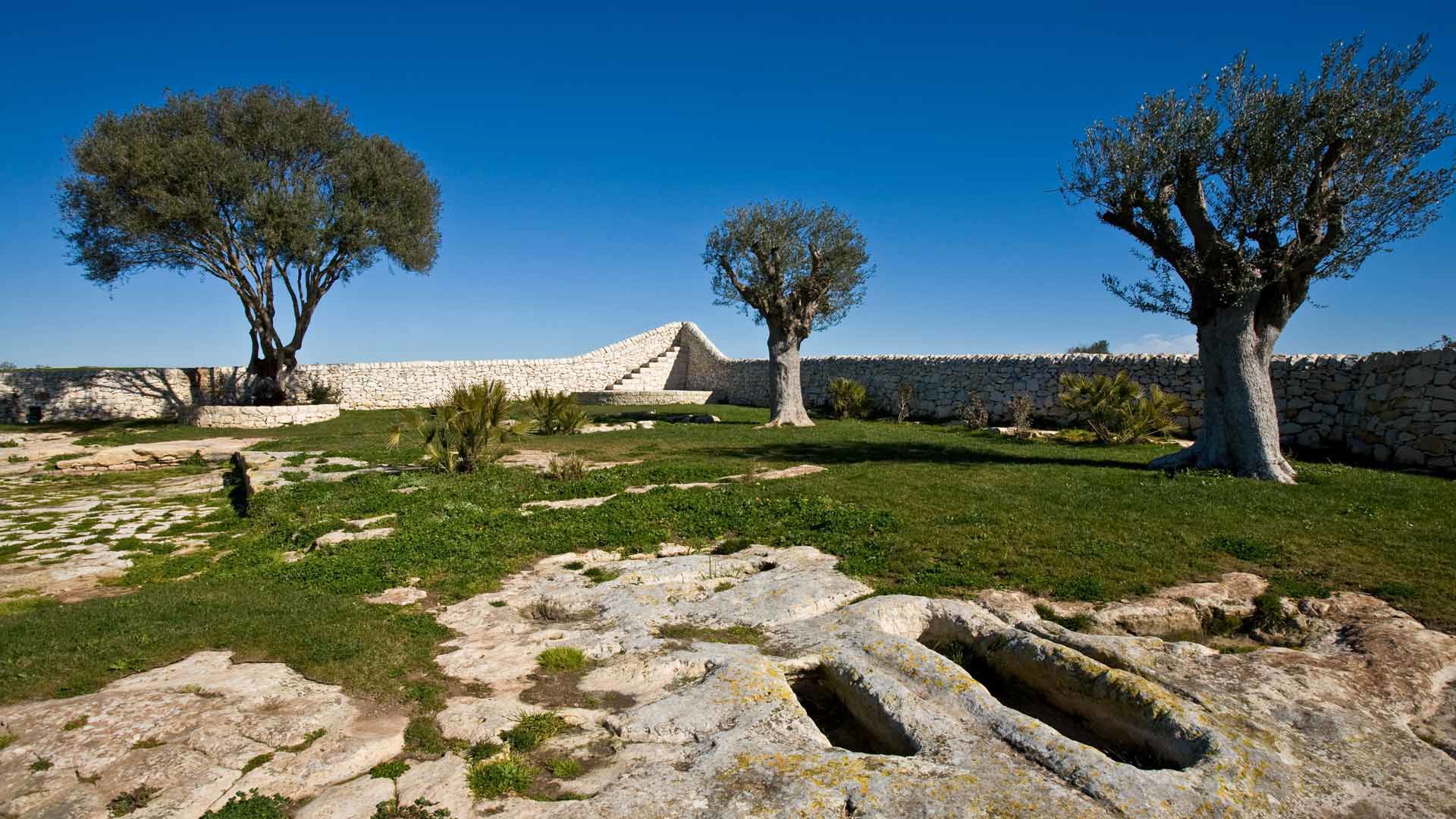
In the northern part of the Eremo’s park lies a necropolis dating back to the 5th–3rd century B.C.
The tombs, carved into the rock and originally sealed with heavy stone slabs, were protected by small channels designed to carry off rainwater — a simple yet remarkably well-preserved system.
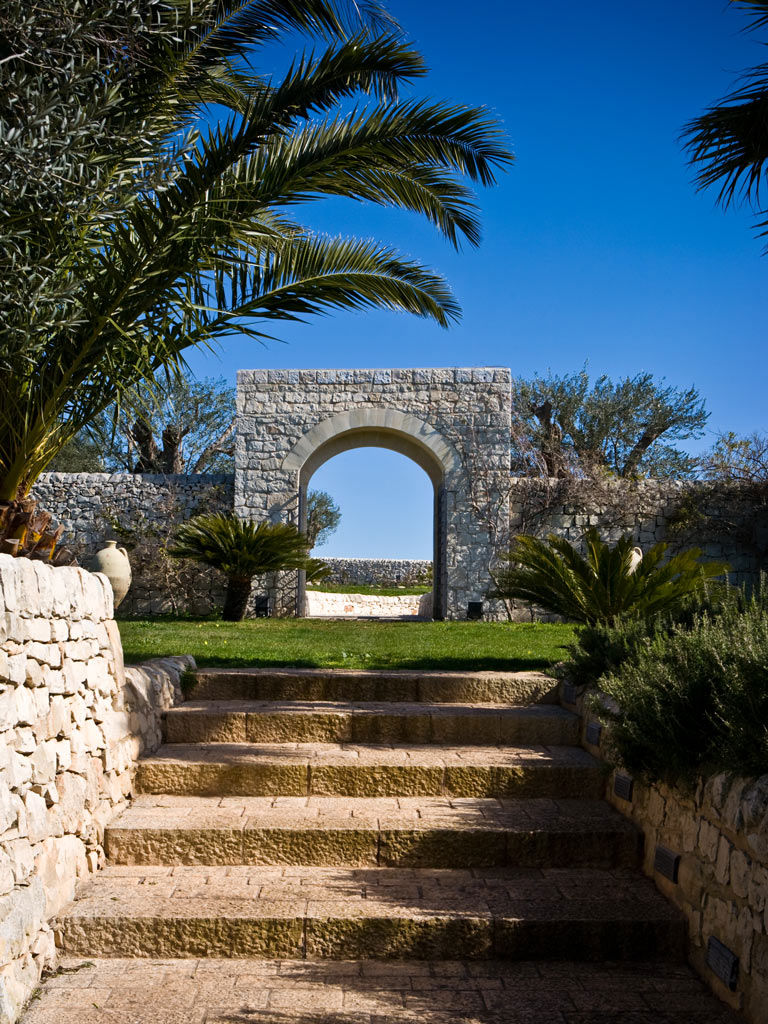
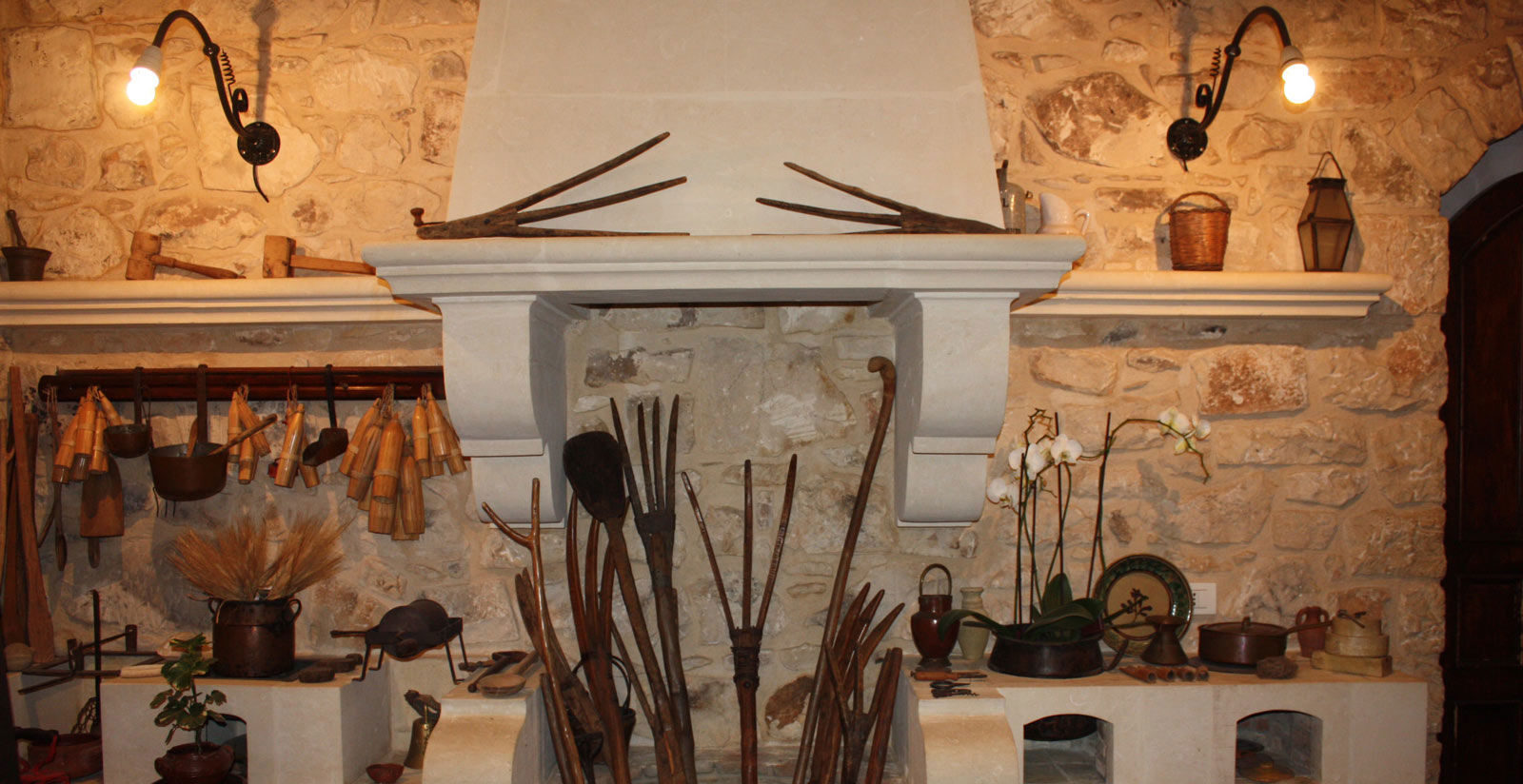
When my son asked me to open the Eremo to hospitality, he said to convince me that our family has always hosted our guests.
I objected that all those who had been admitted to the privacy of Eremo were friends of us. The answer was that once at the Eremo all our guests would have become our friends. Now that Eremo has had this unexpected success, I must recognize that he was right…
Eremo della Giubiliana
28 October 1997